
Studio Synthesizer
Buying Guide
Studio Synthesizer Buying Guide:
How to Choose the Right Synth for You
From retro-inspired basslines to atmospheric pads and cinematic textures, the studio synthesizer is a staple of modern music production. These powerful instruments offer unmatched sonic flexibility, allowing producers and musicians to sculpt, sequence, and modulate sounds from the ground up. Whether you’re new to synthesis or an experienced sound designer, finding the right synth will open up new creative paths in your studio.
At Music Planet, we carry a wide range of synthesizers to suit every experience level, genre, and workflow. In this guide, we’ll walk you through the main types of synthesizers, use cases, and key features to help you choose the right model.


Table Of Contents:
- Types of Studio Synthesizers
- Choosing the Right Synthesizer for Your Needs
- Key Features to Consider
- Studio Synthesizers suggestions
- Popular Brands at Music Planet
Types of Studio Synthesizers
Analog Synthesizers
Analog synthesizers use voltage-controlled oscillators and filters to produce rich, warm sounds. These instruments are prized for their organic tone and hands-on interface. While some models lack modern conveniences like patch memory, their immediacy and character make them a favorite among purists. Best for: Vintage tone lovers, live performers, and players seeking expressive, tactile control.
Best for: Vintage tone lovers, live performers, and players seeking expressive, tactile control.


Digital Synthesizers
Digital synths generate sound using algorithms and digital signal processing. They can mimic analog gear or offer completely original tones, often with deep modulation and onboard effects. These are highly versatile and ideal for complex sound design.
Best for: Producers, sound designers, and users who want a wide variety of modern tones in one unit.
Virtual Analog Synthesizers
Virtual analog models digitally emulate analog circuitry, giving you the warmth of analog with more stability and features. These synths often include presets, effects, and extended polyphony.
Best for: Players looking for analog-style tones with modern convenience and versatility.

FM & Wave Sequencing Synthesizers
FM (Frequency Modulation) synths and wave sequencers offer intricate, evolving textures and rhythmic movement. Though they often involve steeper learning curves, they reward exploration with expressive and complex results.
Grooveboxes & Synth Workstations
Grooveboxes and Workstations combine synthesis, sequencing, and effects in a self-contained format. They’re great for building full tracks without a computer, making them ideal for mobile production or live performance.

Best for: Film composers, ambient musicians, and users seeking layered, shifting soundscapes.

Best for: Beatmakers, live performers, and producers who want an all-in-one creative unit.
Choosing the Right Synthesizer for Your Needs
First-Time Buyers
Beginners benefit from compact, user-friendly synths with intuitive layouts and a wide range of built-in presets. Look for hands-on control (knobs, sliders), patch memory, and built-in effects to make the learning process smoother and more rewarding.
Sound Design and Film Scoring
If you’re composing cinematic soundscapes or designing effects, a synth with advanced modulation, wave sequencing, or FM synthesis will give you the flexibility to create evolving textures. Look for models with deep patch editing, multiple LFOs, and layering capabilities.
Electronic Music Production
EDM, techno, and house producers need punchy basses, crisp leads, and rhythmic modulation. Synths with onboard sequencers, filter envelopes, syncable LFOs, and MIDI/USB connectivity are a must for integrating into a DAW or hardware setup.
Performing Live
For stage use, durability and ease of access are key. Choose synths with real-time performance controls, preset recall, and features like arpeggiators or motion sequencing. A robust build and clear interface are essential when playing live sets.
Expanding a Studio Setup
Adding a synth to an existing setup? Consider connectivity options like MIDI, USB, or CV/Gate. Multi-timbral synths with layering and split functionality allow you to integrate smoothly into larger rigs or modular environments.
Key Features to Consider
Synthesizers come with a wide variety of features that influence how they sound, feel, and integrate with the rest of your gear. From polyphony and oscillator design to connectivity and patch storage, understanding these features will help you choose a model that supports your music style and workflow.
Studio Synthesizers for Beginners
An intuitive, compact synth with hundreds of presets, hands-on controls, and a built-in vocoder. Perfect for beginners learning synthesis.
This beginner-friendly virtual analog synth is a favorite for its warm tone, fun interface, and portability. Great for stage and studio alike.
Studio Synthesizers for Advanced Musicians
A powerful FM synthesizer with rich tonal complexity, intuitive hands-on control, and deep programming features—ideal for advanced composers and sound designers.
This high-end wave sequencing synth offers unmatched motion and expression. Perfect for cinematic, ambient, and evolving compositions.
Popular Brands at Music Planet
Korg
Korg is a pioneer in both analog and digital synthesizer design. Known for their range—from beginner grooveboxes to professional flagships—they offer reliability, innovation, and excellent sound engines.
Target audience: From aspiring producers to seasoned professionals looking for versatile studio gear.


Waldorf
Waldorf stands out for its bold, futuristic designs and advanced wavetable synthesis. Their synths offer deep modulation and innovative workflows.
Target audience: Sound designers, electronic musicians, and adventurous producers who love to explore new textures.
Dave Smith Instruments (Sequential)
Founded by legendary designer Dave Smith, Sequential synths are known for their premium analog sound, expressive control, and high build quality.
Target audience: Serious musicians, producers, and collectors who demand top-tier analog synthesis.

Accessories: What You Might Need with Your Synthesizer
MIDI Cables
MIDI cables connect your synth to other instruments, interfaces, or DAWs. Look for well-shielded, durable cables to avoid signal issues.
Audio Cables
Use TRS or TS cables to send audio from your synth to your mixer or interface. Choose quality connectors for clean signal and longevity.
Keyboard Stands
A solid stand positions your synth at the right height for playing comfort. Multi-tier stands help organize larger setups.
Expression and Sustain Pedals
Pedals expand control and performance. Use expression pedals to modulate filters or volume; sustain pedals mimic piano-style control.
Synth Covers and Cases
Keep your synth dust-free and protected during transport. Soft covers are great for studios; hard cases are ideal for travel and gigging. A studio synthesizer isn’t just an instrument—it’s a sound design playground. Whether you want vintage warmth, futuristic modulation, or live performance control, there’s a synth that fits your workflow and musical direction. Take the time to explore features, test out different models, and think about how a synth fits into your current setup.
Still unsure?
Visit Music Planet in-store or online to get expert advice and hands-on demos.
Let your sound journey begin here.
People Also Read
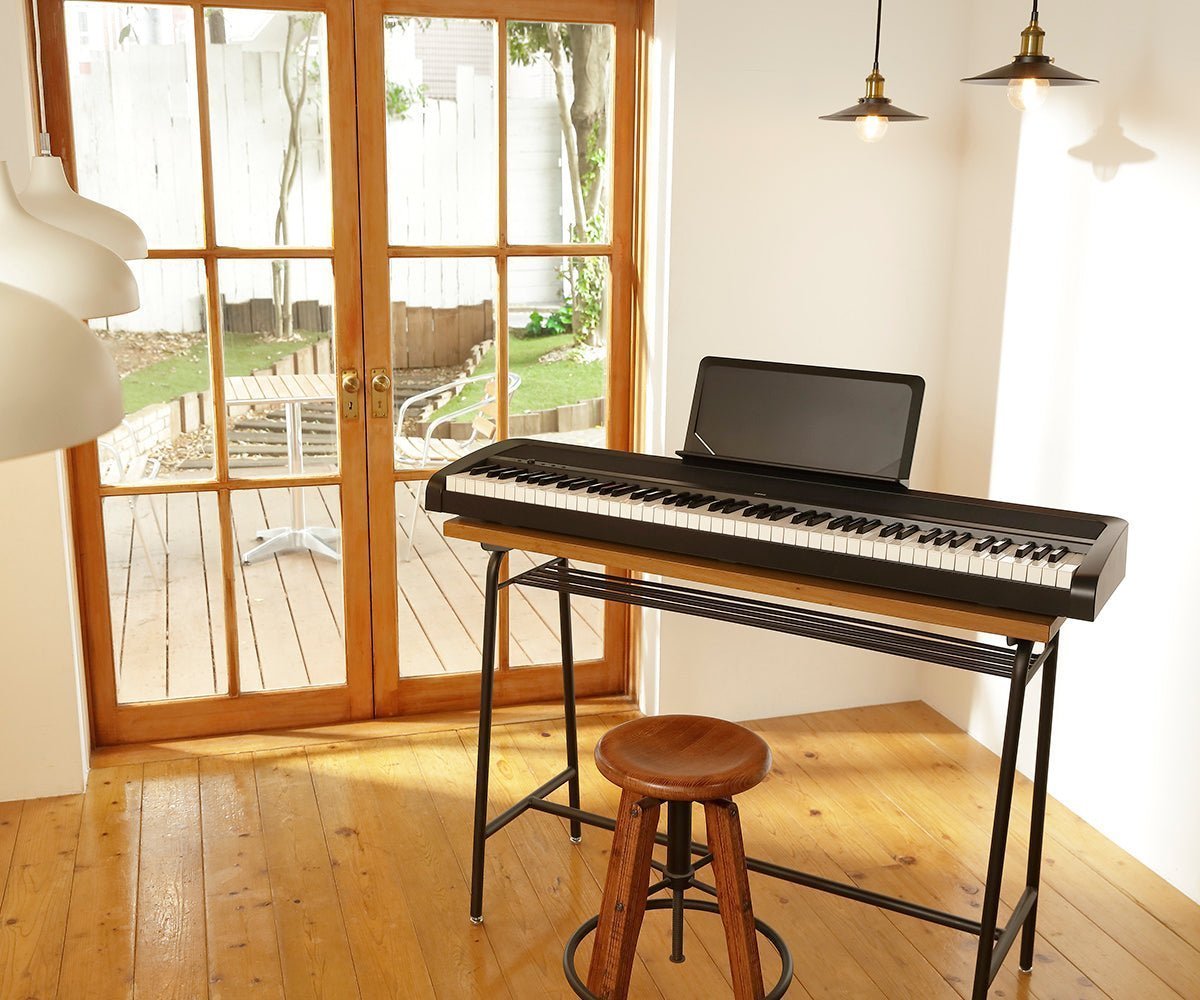
Digital Pianos Under $1000
Discover top digital pianos under $1,000 at Music Planet—like the sleek Korg L1 Liano and feature-rich Casio CTX800. Affordable, stylish, and ready to elevate your music.

Ukulele Buying Guide: How to Choose the Right One for You
From first chords to stage-ready strumming, the ukulele is a joyful companion for any player. At Music Planet, we’ve handpicked top ukuleles for all levels—soprano to tenor, beginner to pro. Explore our guide to find the perfect match for your sound and style.

Studio Synthesizer Buying Guide: How to Choose the Right One for You
From gritty bass to lush soundscapes, synthesizers shape the sound of modern music. At Music Planet, we’ll help you find the right synth for your style, whether you're just starting out or deep into sound design. Explore our guide and unlock your creative potential.
You May Also Like
Want To Receive More Travel Guidance?
Follow us to receive the latest update on our journey experience
Frequently Asked Questions
Have a Question? We’ve Got the Answer!